
- by Kody Ortner
Why Your Cleaning Products Shouldn't Be Hiding Under the Sink
- by Kody Ortner
Open the cabinet under most people's kitchen sink and you will find the same thing. A collection of mismatched bottles in various states of use, labels half peeled, trigger sprayers pointed in different directions, a general sense of organized chaos that nobody is particularly proud of but nobody has questioned either.
It's where cleaning products live. It's always been where cleaning products live. And for a long time, that made sense, because the products themselves gave you no reason to think otherwise.
That is starting to change.
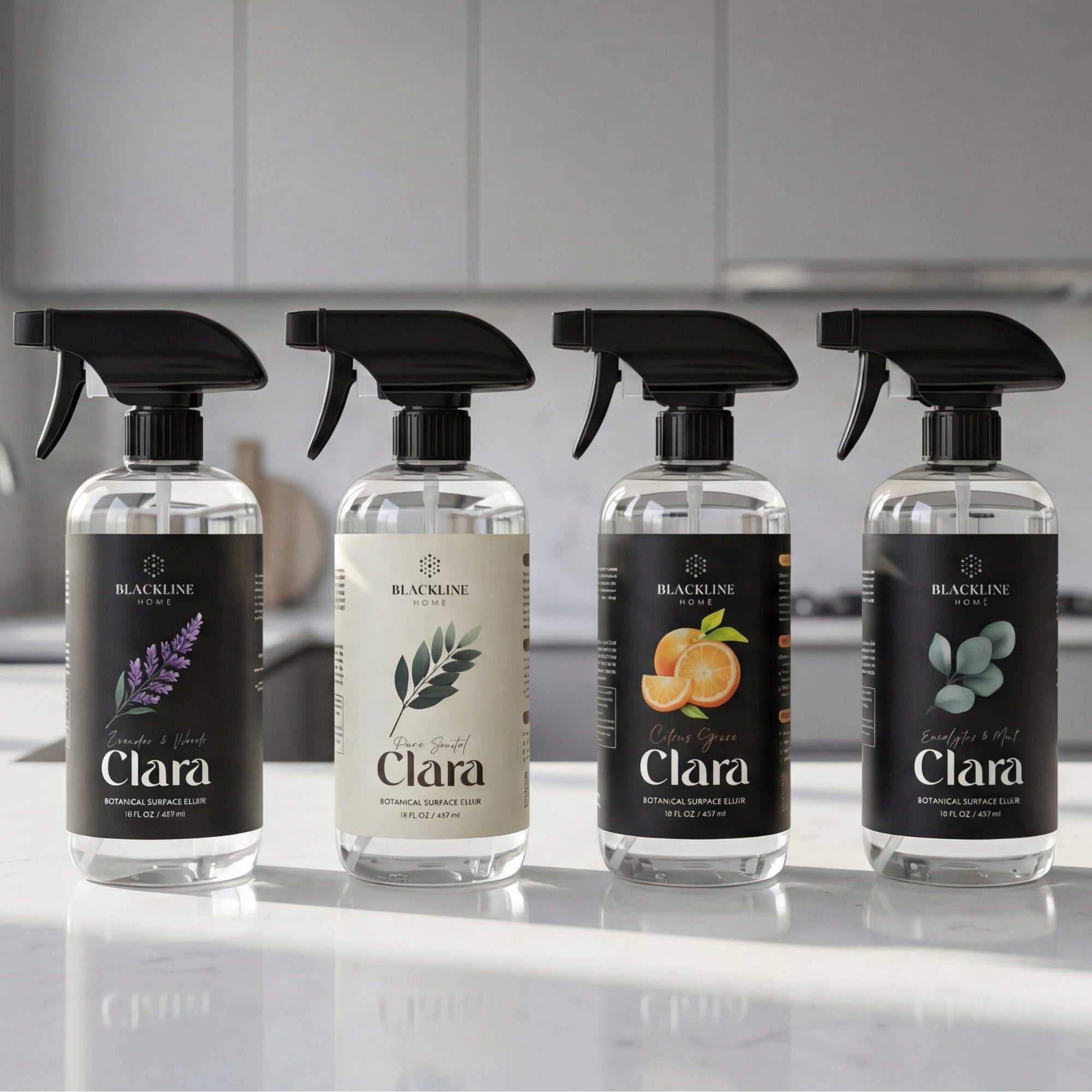
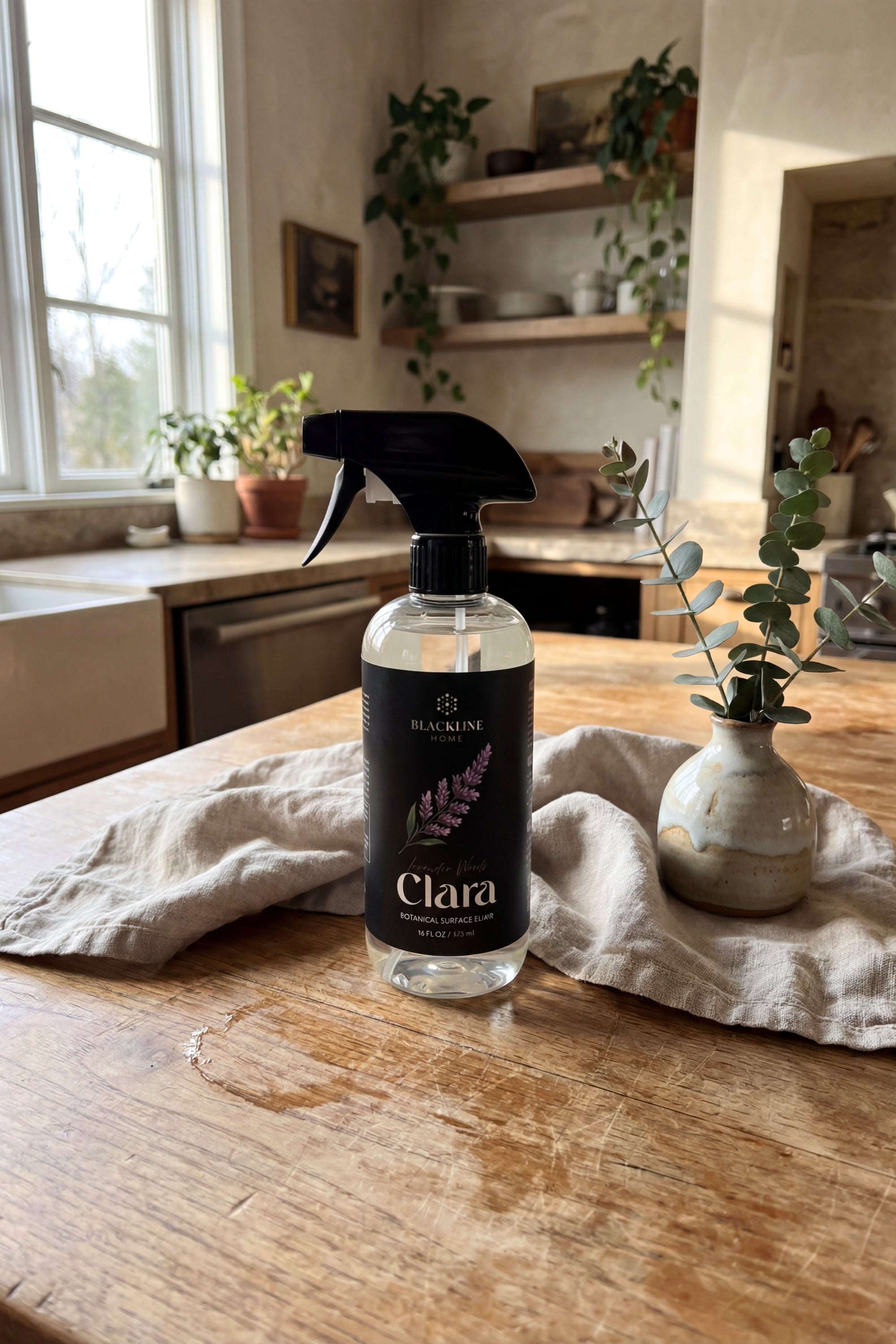
The things we choose to display in our homes and the things we choose to hide tell a quiet but consistent story about how we feel about them. We put the good olive oil on the counter. We display the books we want people to know we've read. We buy the hand soap that looks good next to the sink because we know people will see it.
Cleaning products have historically been exempt from this logic, not because they couldn't be better, but because nobody had bothered to make them worth displaying. They were purely functional objects in purely functional packaging, and the cabinet under the sink was the most honest place for them.
But consider what that arrangement actually costs you. Every time you need to clean something, you open a cabinet, reach past a tangle of bottles, find what you need, use it, and put it back out of sight. The product never becomes part of your space. It never becomes part of your routine in a visible, reinforcing way. It stays a chore-adjacent object you interact with reluctantly and hide when you're done.
That relationship with your cleaning products reflects and reinforces a relationship with cleaning itself.
There is a well documented principle in behavioral psychology that the aesthetics of a tool influence how likely we are to use it. When something looks good, feels considered, and fits into the visual environment we have created for ourselves, we interact with it more readily and more often. When something feels cheap, clinical, or out of place, we avoid it until we absolutely cannot.
This is not vanity. It is how human motivation actually works.
Think about the difference between a worn out gym bag stuffed in the back of your closet and a clean, well organized gym setup you can actually see from your bedroom. The visibility of the second option is not just aesthetic. It is a constant low-level prompt to use it. The same principle applies to every tool you own, including the ones you use to take care of your home.
When your cleaning products are worth looking at, they stop being things you tolerate and start being things you reach for. And when you reach for them more readily, your space stays cleaner with less effort, not because you found more willpower, but because the friction between intention and action got smaller.
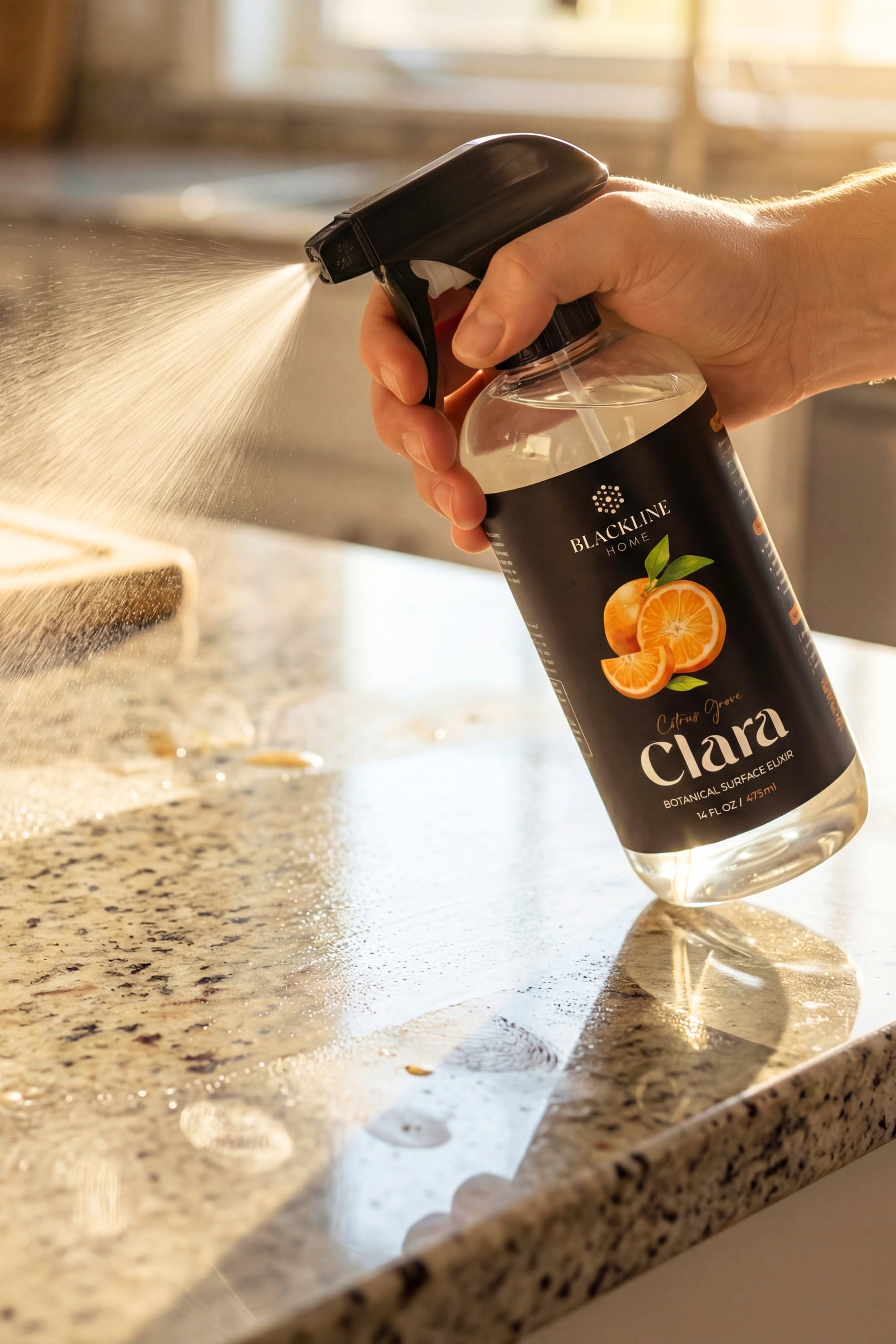
There is a reason that "shelfie" culture resonated so strongly when it emerged. The carefully arranged shelf or countertop, with its considered objects and intentional aesthetic, is not just content for social media. It reflects something real about how people want to feel in their spaces.
We surround ourselves with things that represent who we are and what we value. For a growing number of people, that includes the cleaning products they use. Not because they want to perform wellness for an audience, but because the objects in their daily environment genuinely shape how they feel moving through that environment.
A beautiful bottle of Clara next to your kitchen sink is not just a cleaning product. It is a quiet signal to yourself that you take your space seriously, that you made a considered choice about what belongs in your home, and that the ritual of caring for your space is something worth doing with intention rather than something to rush through and hide.
The products you bring into your home are a reflection of the standards you hold for that space. For a long time, cleaning products sat outside that conversation entirely, occupying a purely utilitarian corner of the home with no expectation of anything more.
Blackline Home was built on the belief that those standards should extend to everything in your space, including the products you use to care for it. Plant-based ingredients you can be proud of. A ritual worth building. And an aesthetic that earns its place on your countertop rather than hiding from sight beneath it.
Your home deserves better than a cabinet full of products you'd rather not think about. And so do you.
Ready to bring your cleaning ritual out of hiding? Clara is available now in four signature scents, each one designed to look as good on your counter as it performs on your surfaces.
Beautiful by design. Effective by nature. Made to be seen.