
- by Kody Ortner
Plant-Based Cleaning: What It Means, What It Doesn't, and Why It Matters for Your Home
- by Kody Ortner
Walk down any cleaning aisle or scroll through any home goods website right now and you will see the word "natural" on just about everything. Natural formula. Natural ingredients. Naturally derived. The word has been stretched so far in so many directions that it has started to lose its meaning entirely.
So let's slow down and actually define what plant-based cleaning means, what it doesn't mean, and why the distinction matters more than the marketing language ever will.
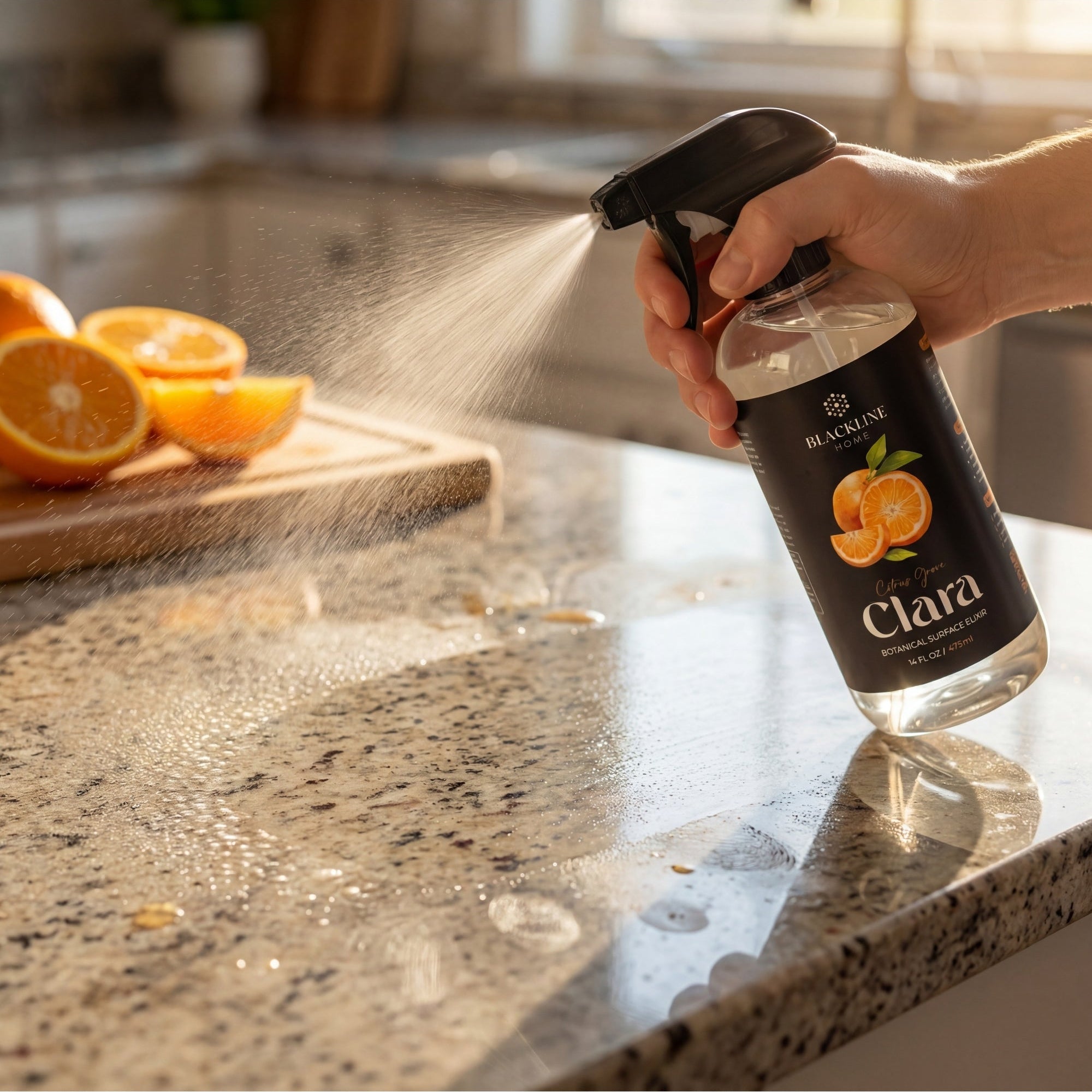
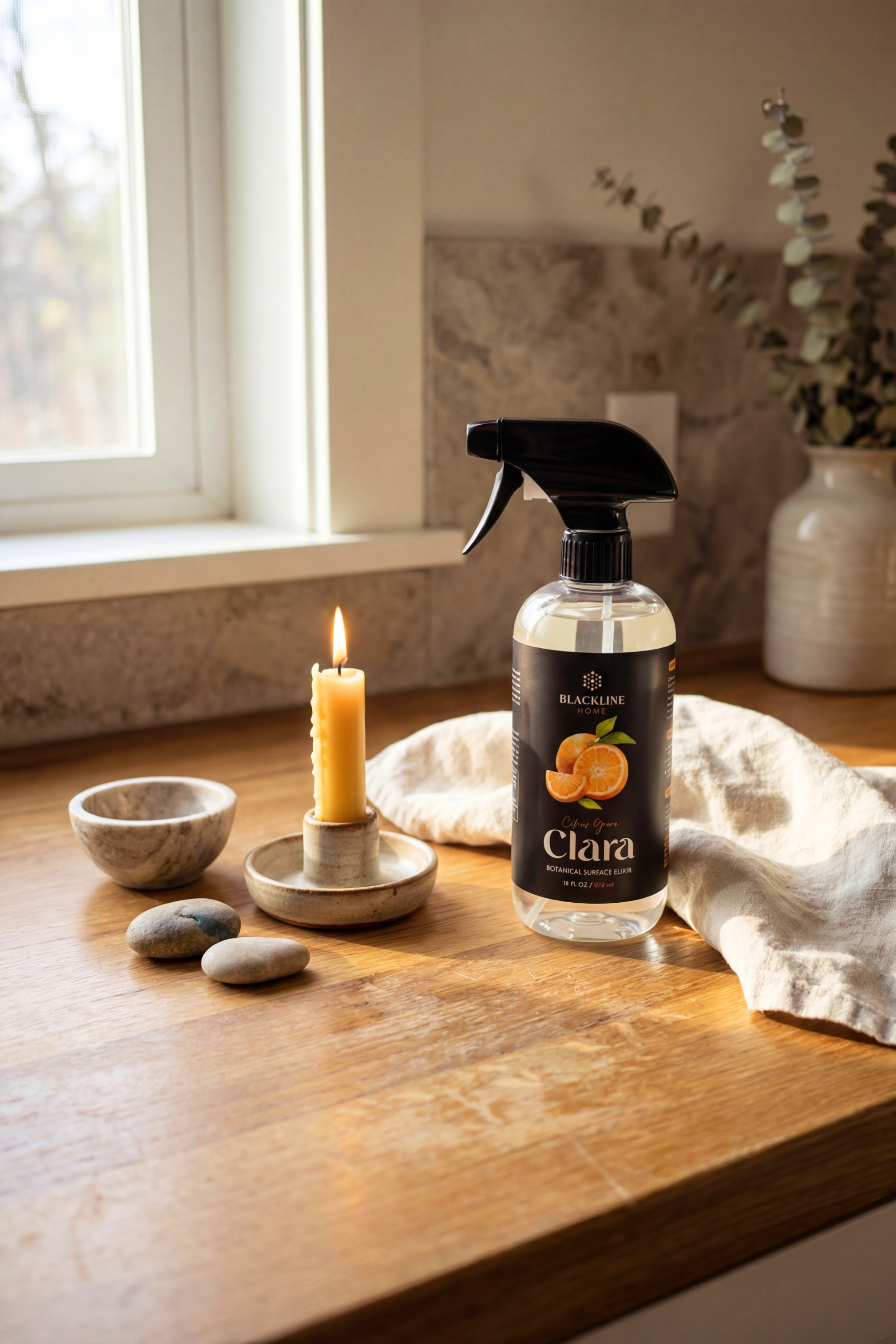
Here is something the cleaning industry doesn't advertise: there is no regulated definition of the word "natural" on a cleaning product label. None. Any brand can print it on their bottle without meeting a single specific requirement, which is exactly why you see it everywhere from genuinely thoughtful formulas to products that are mostly petroleum derivatives with a drop of essential oil added to the mix.
This isn't a small technicality. It's the reason that well-intentioned shoppers end up buying products that don't actually reflect their values, not because they made a bad decision, but because the language on the label was designed to create an impression rather than deliver information.
"Plant-based" is a more specific and more honest claim, but even that requires some context to fully understand.
When a cleaning product is genuinely plant-based, it means the active cleaning ingredients, primarily the surfactants that do the work of lifting dirt and grease from surfaces, are derived from renewable plant sources rather than petroleum.
Common plant-based surfactant sources include coconut, corn, and sugarcane. The refining process extracts the functional molecules from these plants and uses them as the foundation of the cleaning formula. The result is a surfactant that performs the same function as its petroleum-derived counterpart but comes from a source that is renewable, more biodegradable, and generally gentler on skin with repeated contact.
What plant-based does not mean is that a product is free of all chemistry. Everything is chemistry. Water is chemistry. The citric acid in your lemon is chemistry. A plant-based cleaner is not chemical-free, and any brand that uses that phrase is either being careless or deliberately misleading. What it is, is chemistry sourced from the right places, processed responsibly, and selected because it aligns with both performance goals and safety values.
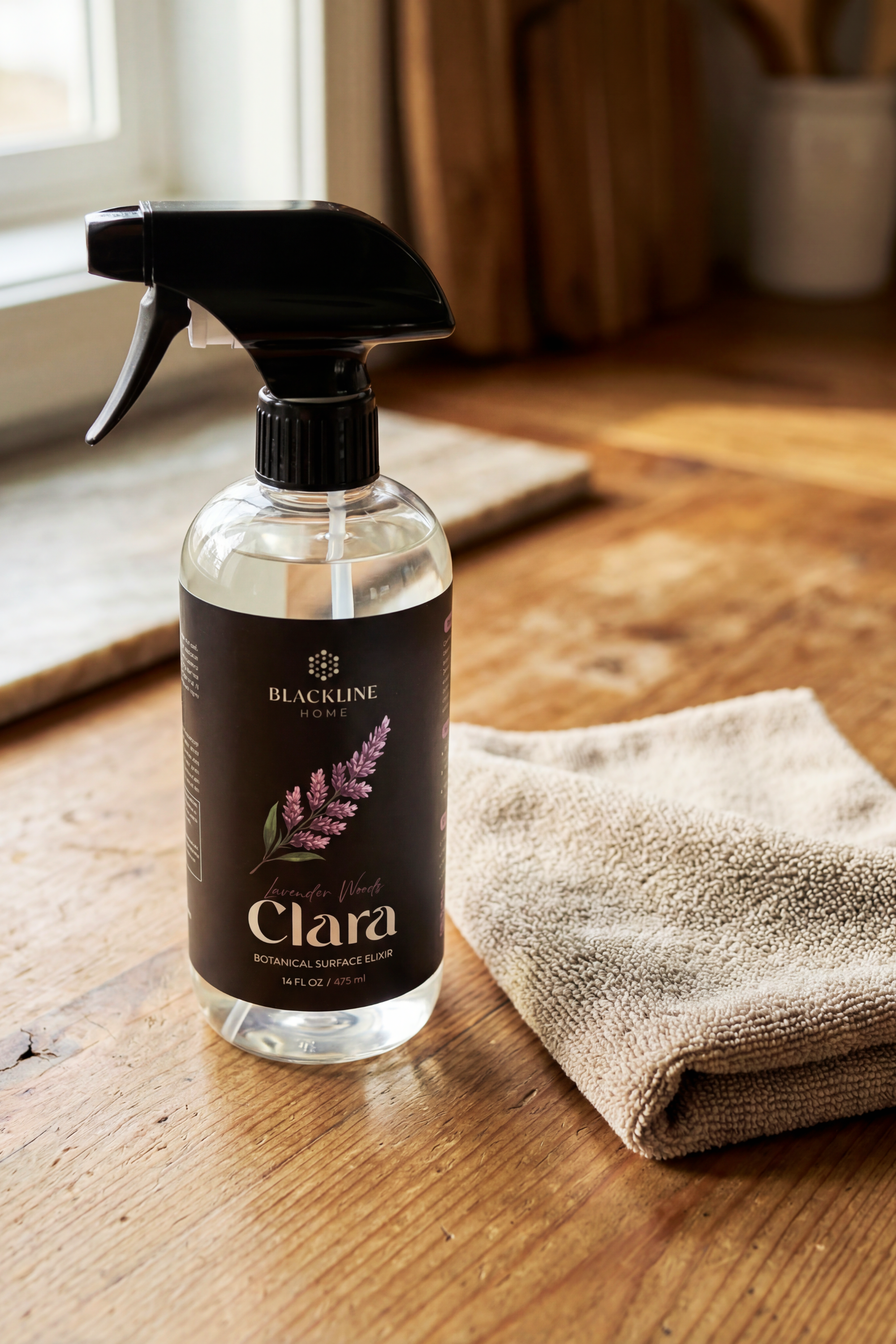
Clara is formulated with a plant-derived surfactant system from renewable sources. When we say plant-based, that is exactly what we mean, and we are happy to show you the full ingredient list to prove it.
The most common hesitation people have when considering a switch to plant-based cleaning is a simple one. Does it actually work?
It's a fair question, and it deserves a direct answer. Yes. A well-formulated plant-based cleaner absolutely delivers effective cleaning performance on everyday household surfaces. The surfactant chemistry that drives cleaning power is the same whether it comes from petroleum or a coconut. The source doesn't reduce the function.
Where some plant-based products have historically underdelivered is in formulas that were built around the marketing first and the chemistry second. If a brand's priority is being able to say "plant-based" on the label and the formula is underdeveloped, the performance suffers. That's not a plant-based problem. That's a formulation problem.
Blackline Home brings something to the Natural line that most plant-based cleaning brands simply don't have: a heritage of serious chemistry. Blackline Car Care has spent years developing high-performance formulas for the most demanding surfaces in automotive detailing. That obsession with what actually works, not just what sounds good, carries directly into every product in the Natural line.
Clara was not developed to be a "good enough" natural option. It was developed to match the performance you're already used to, with ingredients that align with your values as a bonus.
One of the challenges in the plant-based and natural cleaning space is that without external verification, it's very difficult for consumers to know which brands are delivering on their claims and which are simply using the language because it sells.
This is exactly what EPA Safer Choice certification exists to solve.
The EPA Safer Choice program evaluates every single ingredient in a product, not just the headline actives, against strict criteria for both human health and environmental safety. Surfactants, fragrances, preservatives, solvents, even the packaging materials are reviewed. The process requires real documentation, real transparency, and real accountability to a federal agency with established standards.
Blackline Home is currently going through the EPA Safer Choice certification process. We will not claim that certification until it is formally granted, because the integrity of that claim matters more to us than using it early for a marketing advantage. When it arrives, it will be the clearest possible signal that every ingredient in the bottle has been independently verified to meet the highest safety standards in the industry.
Until then, we think transparency does the same work. Read our ingredient list. Ask us questions. We built this brand to be the kind of company you don't have to take on faith.
Let's be honest about something. Most people don't switch cleaning products because of surfactant chemistry. They switch because of a feeling.
The feeling that what they're using around their kids might not be the best choice. The feeling that the chemical smell filling their kitchen after a wipe-down shouldn't be something they just accept. The feeling that there has to be a better option that doesn't require them to sacrifice results to get it.
That feeling is valid, and it's exactly what Blackline Home was built to address.
You shouldn't have to choose between a home that is genuinely clean and a home that is genuinely safe. You shouldn't have to compromise on the experience of cleaning, either, tolerating harsh smells and clinical aesthetics, just because the effective options have historically looked and felt that way.
Plant-based cleaning, done properly, removes all of those compromises. The performance is there. The safety credentials are there. And for the first time, the experience of using it is actually something worth looking forward to.
The next time you're evaluating a cleaning product, plant-based or otherwise, a few simple questions will tell you most of what you need to know.
Does the brand disclose what type of surfactants they use and where they come from? Does the fragrance come from essential oils or synthetic compounds, and do they tell you which? Is there third-party certification backing the safety claims, or is the brand relying entirely on self-reported language? And does the brand make it easy to find that information, or do you have to dig for it?
Brands that are doing the work honestly make the answers easy to find. That's the standard we hold ourselves to, and it's the standard worth holding any brand to.
Ready to make the switch? Clara is available now, fully disclosed ingredients and all, because you deserve to know exactly what you're bringing into your home.
Real ingredients. Real performance. Real peace of mind.